In the increasingly aggressive B2B industrial competition, many companies are trapped by the ambition to have the flashiest digital storefront. They cram 4K resolution background videos, complex three-dimensional animations, and dozens of tracking widgets into a single page. Instead of looking premium, this visual burden creates agonizing loading times. The frustration of trying to suppress repair costs often drives management to take shortcuts by hiring incompetent, cheap Serang website services. The result is fatal: these amateur agencies merely stack obsolete templates full of code bloat, making your website not only extremely slow but also siphoning massive amounts of server computing power. In the 2026 era of environmental awareness, an energy-wasting website is no longer just a technical issue; it is a black mark on your corporate reputation.
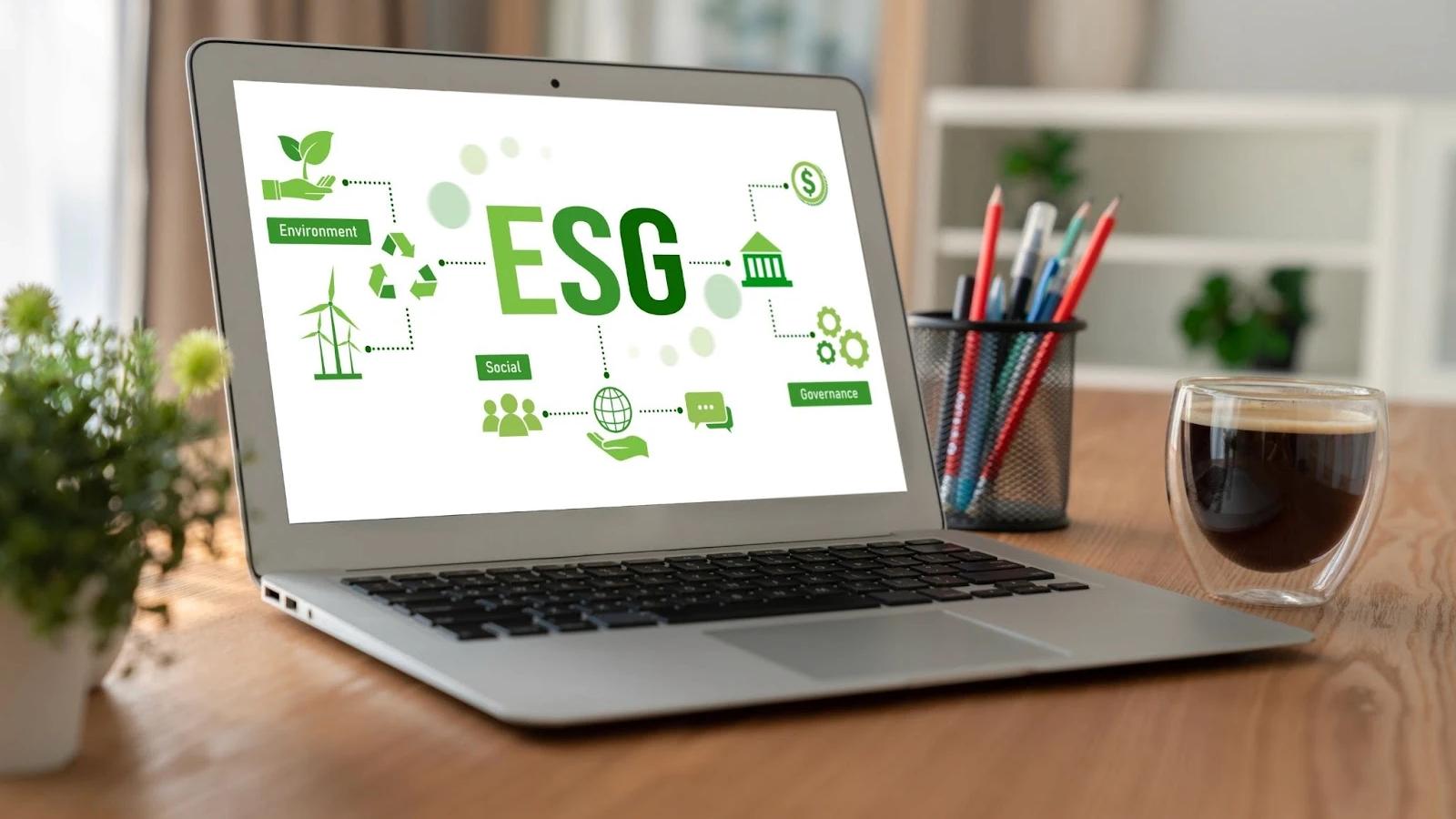
Enterprise-level B2B clients and global investors today evaluate vendors not only by product quality but also by their commitment to Environmental, Social, and Governance (ESG) metrics. Owning an energy-hungry digital asset directly contradicts the image of a sustainable company. ArvelloCreative is here to revolutionize this paradigm. We don't just design stunning visuals; we engineer Sustainable Web Design through highly efficient code architecture. Through this guide, you will understand why digital infrastructure efficiency is the sharpest branding strategy this year, and how streamlining code can boost SEO scores while doubling your company’s valuation in the eyes of the world.
Why Cheap Serang Website Services Threaten Your Sustainable Web Initiatives?
On paper, suppressing capital expenditure by choosing a web development vendor with rates below market standards seems like a short-term financial victory. However, in the reality of software engineering, a cheap price is always paid for with very expensive technical debt. When you hire cheap Serang website services, you aren't getting a software engineer; you are only getting a template installation operator.
These amateur developers assemble your B2B website using conventional **Content Management Systems (CMS)**cluttered with dozens of free plugins. Each of these plugins loads thousands of lines of JavaScript and CSS code that are actually irrelevant to your business needs. This phenomenon of code accumulation is known as bloatware. Consequently, every time a potential client opens your company profile page, their browser is forced to download a 15MB file, even though the essential information is only 1MB in size.
This waste of data transfer has horrifying ecological and business impacts. Your server must work harder, consuming more electricity and generating a massive computational carbon footprint. At the same time, your executive client accessing the site via a mobile network at an airport has to wait more than seven seconds just to see the page load completely. This frustration destroys their perception of your brand’s authority, kills potential conversions instantly, and categorizes your digital property as an inefficient entity.
The Critical Link Between Code Efficiency, Performance, and Corporate ESG Metrics
Many C-Level executives still view the virtual world as an intangible "cloud" with no physical impact. This is a major misconception. The internet is powered by millions of data centers, undersea fiber optic cable networks, and transmission infrastructures that require gigantic electricity supplies every second.
According to global environmental reports from independent research institutions Climate Impact, if the internet were a country, it would be the sixth-largest contributor to greenhouse gas emissions in the world. This is where the concept of Sustainable Web Designdirectly intersects with Environmental, Social, and Governance (ESG) metrics, which have now become the primary guidelines for global investment.
In modern Business-to-Business (B2B) negotiation scenarios, multinational companies are required to clean their entire supply chain of non-eco-friendly vendors. If your manufacturing company claims to uphold a "Green Factory" concept, yet your corporate website emits 4 grams of carbon for every page visit due to unoptimized code, your branding narrative becomes flawed and hypocritical. Having an efficient, lightweight, and sustainable website is a form of digital integrity that proves your leadership truly cares about efficiency at every operational level.
Read Also: Impact of Website Loading Speed & Business Turnover: Often Ignored Metrics
Headless CMS Architecture: The Eco-Friendly Solution for Enterprise Scale
To solve the problems of energy waste and sluggish performance, you cannot simply delete one or two images from your website. You must overhaul the architectural foundation of how the website is built and served to the audience. It is time for your company to abandon traditional monolithic systems and move toward the technology of the future.
Let’s use a highly logical technical analogy for the business world. Relying on an old monolithic template-based website is like a very long checkout line where the cashier is fast asleep. Every time a customer arrives (a website visitor clicks a link), the system must be forcibly "woken up." The server must be busy querying the database, assembling design components, and stitching them into an HTML page in real-time. This process is slow, leaves customers (visitors) waiting in rising frustration, and consumes massive amounts of "cashier energy" (server CPU).
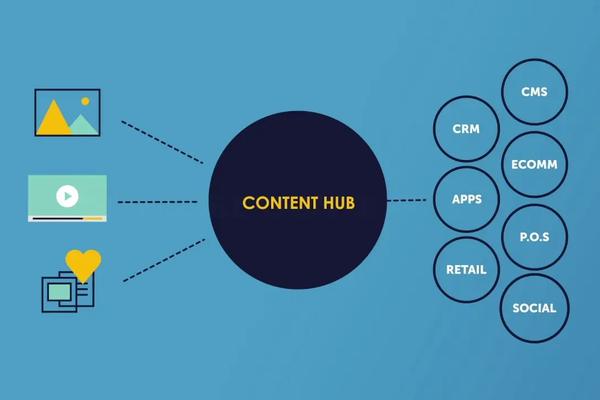
At ArvelloCreative, we eliminate these operational bottlenecks entirely. We implement a Headless CMS architectureapproach combined with advanced frontend frameworks like Next.js.
How does this technology create a Sustainable Web Design ecosystem?
- Static Site Generation (SSG): Instead of forcing the server to work (assemble the page) for every visitor that arrives, your B2B website pages are pre-rendered once on the server into ultra-lightweight pure static documents. These documents are distributed through a global Content Delivery Network (CDN).
- Zero-Latency Rendering: When corporate clients visit your website, there are no database query queues. The page is delivered to the user's screen in milliseconds, instantly.
- Extreme Computing Load Reduction: Because the server no longer works hard for every access request, computing power consumption drops drastically. Your website’s carbon footprint shrinks, while its scalability increases boundlessly.
UI/UX Tactics Supporting Sustainable Web Design
In addition to improvements at the server and backend levels, implementing sustainable design also relies heavily on aesthetic decisions at the User Interface (UI) and User Experience (UX) levels. Good design in 2026 is design that respects the user's time, respects their hardware battery, and respects the environment.
As a web agency oriented toward E-E-A-T (Experience, Expertise, Authoritativeness, Trustworthiness) performance, we implement the following interface engineering tactics for our enterprise clients:
1. Next-Gen Media Optimization
High-resolution visuals are important for B2B, but serving them in their raw form is a rookie mistake. We use cutting-edge compression algorithms to automatically convert JPEG/PNG images into WebP or AVIF formats. Additionally, we implement Lazy Loading; heavy images and videos at the bottom of the screen will not be loaded or downloaded by the user's browser until the user actually scrolls to that area. This saves bandwidth and data transfer energy massively.
2. Systemic Dark Mode Implementation
Dark Mode is not just an aesthetic trend that makes a website look futuristic and elegant. It is a very real sustainability feature. Since most executives now access websites via devices with OLED or AMOLED screens, rendering pure black means the device screen literally turns off those pixels. Providing a dark-themed design option significantly saves your potential client’s device battery consumption, offering a B2B whitepaper reading experience that is far more comfortable and energy-friendly.
3. Frictionless User Journey Streamlining
Every additional page your prospect has to load is an extra burden on the server. Sustainable design requires UX Designers to map out the shortest interaction flow. We simplify your website's Information Architecture. If a prospect wants to request a quote, they should be able to reach that qualification form in a maximum of two clicks. This flow simplicity slashes power consumption, reduces user cognitive fatigue, and dramatically skyrockets conversion percentages (Conversion Rate).
Hidden Financial ROI of Sustainable Web
Adopting Sustainable Web Design is not just about saving the planet or meeting the company's annual ESG compliance reports; it is an incredibly sharp business profitability lever. Company executives must realize that efficient code has a direct correlation with operational cash flow health.
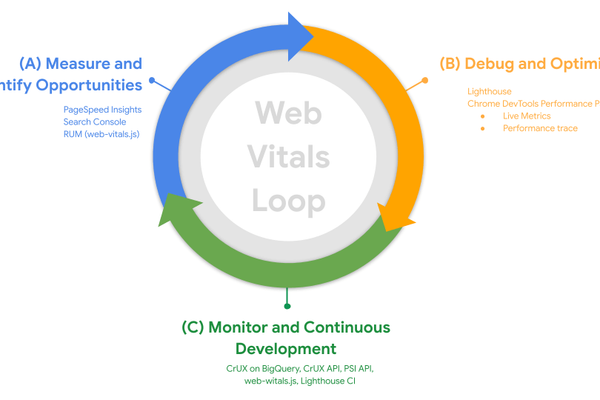
First, Organic Algorithm Dominance (SEO). Search engines like Google aggressively prioritize websites that provide the best user experience. Google's Core Web Vitals system assesses load speed (LCP), interactivity (INP), and visual stability (CLS). A website designed with sustainability principles will automatically receive a perfect green score across all these indicators. As a result, your organic ranking will soar past competitors, suppressing the Cost Per Acquisition (CPA) of your paid advertising campaigns.
Second, Infrastructure Cost Reduction. Websites full of bloatware from cheap templates demand that you rent high-end servers with large RAM and CPU specifications to avoid crashes. Conversely, a Headless architecture with clean code allows high-volume websites to run very smoothly on a much cheaper and more efficient server infrastructure.
Lastly, Absolute Conversion Increase. Your potential B2B clients are fast-moving individuals. When they encounter a digital storefront that opens instantly, doesn't drain data quotas, and serves the value proposition without visual friction, their Trust in your brand is formed immediately. Lost friction means more B2B forms filled and more meeting schedules successfully secured by your sales team.
Digital Branding Transformation with a Professional Agency
In the 2026 business landscape, brand identity is no longer limited to a beautiful logo or a poetic slogan. True branding in the digital era is how your company shows respect for the audience's time, concern for ecological efficiency, and professionalism in executing technology. Maintaining a slow and rigid website is a form of self-sabotage against your business scale-up growth.
Choosing a partner to overhaul your digital architecture is not a task that can be handed over to an instant template provider. You need a strategic collaborator who masters both modern software engineering execution and B2B marketing psychology in balance.
As an architect of corporate transformation, ArvelloCreative does not build websites just to appear on the internet. We engineer digital property assets that perform extremely well, are eco-friendly, and are specifically designed to monopolize the attention of decision-makers in your industry. Our team of expert developers and brand strategists will ensure every line of code on your website has a clear and measurable conversion purpose.
Are you ready to break industry standards, prove your company's ESG leadership, and turn your slow website into a super-fast client acquisition machine? Don't let competitors seize your future valuation.
Take a visionary decision today. Contact our team of expert consultants to secure global-standard Serang website services from ArvelloCreative. Schedule your free performance and Sustainable Web initiative audit right now, and let’s build a digital masterpiece that not only saves the environment but also exponentially multiplies your business revenue!