Headless E-Commerce Revolution: Build Super Fast Online Stores Without Template Limitations
Imagine this operational scenario: You have spent tens of millions of rupiah in advertising budget to launch a new product or a massive discount campaign. Visitor traffic floods your online store within minutes. However, instead of celebrating a sales surge, you find your e-commerce site moving at a snail's pace, experiencing shopping cart malfunctions (cart errors), or even suffering a total crash (server down). More frustratingly, when your marketing team wants to overhaul the promotional page layout to be more attractive, they are held back by a rigid template structure that takes weeks for the IT team to modify. These technical limitations not only ruin your customers' shopping experience but also burn your marketing budget to ashes without generating a commensurate Return on Investment (ROI).
The fundamental problem behind this deadlock often lies in the traditional e-commerce platform architecture you are using. In an era of digital trade that moves at millisecond speeds, relying on legacy systems is like forcing a family car to race in a Formula 1 arena. If you operate in the industrial hub of Banten and are looking for a nearby Serang website service, or a national company in need of enterprise-grade website creation services, you need an infrastructure revolution. ArvelloCreative is here with the solution of the future: Headless E-Commerce. Through this modern software engineering approach, we will help you free your online store from the shackles of restrictive templates, creating a super-fast, highly secure shopping ecosystem ready to boost your business valuation to the next level.
Why Do Conventional E-Commerce Platforms Hinder Your Business Scalability?
To appreciate the power of headless technology, we must first dissect the fatal flaws of conventional e-commerce website architecture (often referred to as monolithic systems). Traditional platforms like WordPress (WooCommerce) or the classic version of Magento are built by unifying the "head" (the visual interface seen by the buyer) with the "body" (the inventory database, order management, and payment processing systems) into a single, tightly coupled codebase.
This absolute coupling gives birth to various structural problems for companies in an aggressive expansion phase:
- Performance Bottlenecks: In a monolithic system, every time a customer opens a product page, the server must process the entire line of code simultaneously—from pulling price data from the database and running third-party plugins to rendering the visual design. This heavy computational load makes loading speeds very slow. In modern digital consumer psychology, customers will not tolerate a wait time of more than 3 seconds.
- Rigid Customization and Updates: Because the frontend and backend are unified, making small changes to the interface design (such as changing the layout of a checkout button) risks breaking the underlying database logic. Developers must be extremely careful, making the feature update cycle very slow, expensive, and inefficient.
- Cybersecurity Vulnerabilities: Monolithic systems that rely on stacks of dozens of free plugins create very wide security gaps. If a hacker manages to penetrate one small gap in a visual design plugin, they automatically gain direct access to your customer's credit card database and personal data.
To overcome this scalability trap, you need an SEO-friendly and high-performance e-commerce website architecturestrategy that separates computational workloads.
What is Headless E-Commerce? (Jargon-Free Explanation)
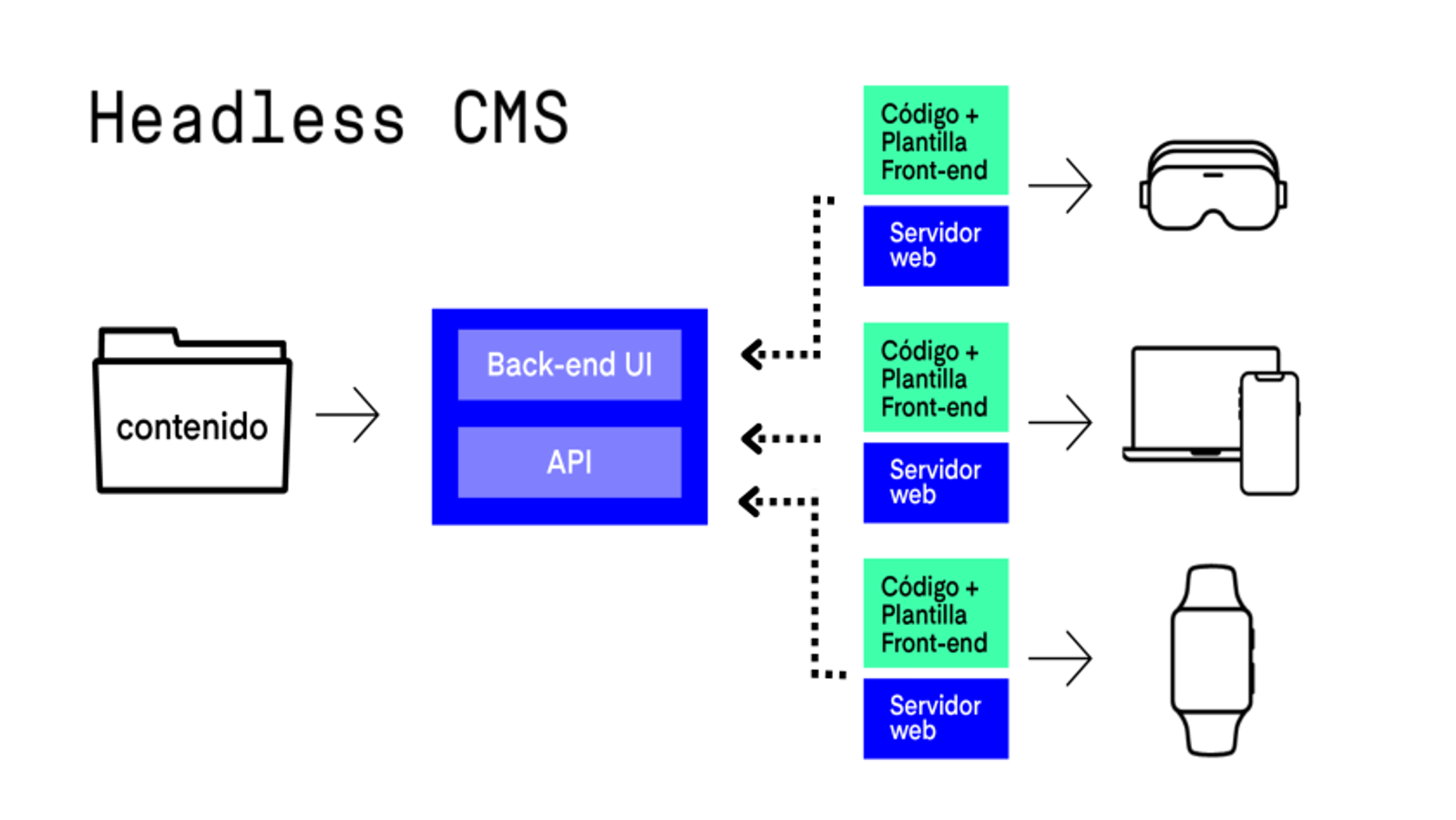
Literally, Headless E-Commerce architecture means "beheading" the head (visual display/frontend) from the body (inventory and transaction management system/backend).
In a headless ecosystem, your product database, pricing settings, and transaction logic are stored very securely on a dedicated, independently standing server. Meanwhile, the display of your online store (what the customer sees and clicks) is built using separate, high-speed modern frameworks. These two separate entities then communicate and exchange data with each other through a highly efficient bridge called an API (Application Programming Interface).
This elegant separation of tasks may sound simple in theory, but its impact on both Business-to-Business (B2B) and Business-to-Consumer (B2C) operations is truly revolutionary.
Read Also: The Secret of High-Performance Websites & Next.js: The ArvelloCreative Advantage
5 Absolute Advantages of Headless Architecture for Enterprise Scale
Why are giant world brands like Nike, Target, and other modern retailers flocking to leave monolithic systems and switch to headless? Here are five strategic reasons why you should demand this architecture from your IT partner:
1. Extreme Loading Speed (Microseconds Matter)
The most striking advantage of headless e-commerce is its unmatched page loading speed. The developer team at ArvelloCreative utilizes cutting-edge frontend technologies like Next.js, which features Static Site Generation (SSG).
This means your product catalog pages are already assembled and prepared on the server before the customer even clicks them. When a customer opens your site, the page is instantly delivered to their screen in milliseconds via a global Content Delivery Network (CDN). This lightning speed drastically reduces cart abandonment rates and provides a highly satisfying, frictionless shopping experience.
2. Limitless Customization Beyond Templates
With monolithic systems, your marketing team's creativity is limited by what the purchased template or theme allows. In a headless architecture, those boundaries vanish completely.
Because the frontend is developed independently from scratch, UI/UX designers can design interactions, 3D product animations, and layouts as creatively as possible without worrying about breaking the backend database. You have pixel-by-pixel control over your entire brand experience, creating a digital storefront that is 100% unique and cannot be imitated by competitors.
3. True Omnichannel Sales Ecosystem
In the past, customers only shopped via computer screens (desktops). Today, purchase interactions happen everywhere: smartphone apps, smartwatches, interactive screens in physical stores (IoT Kiosks), and even voice assistants.
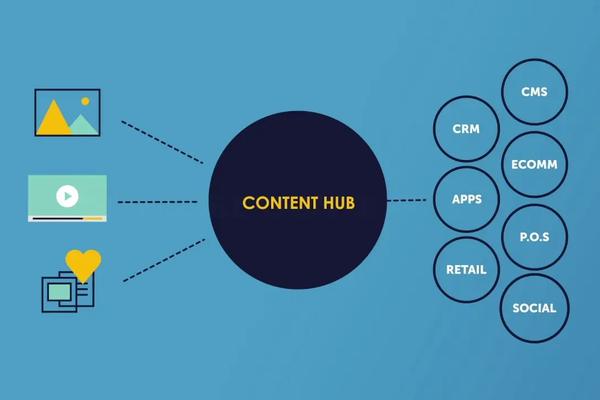
A headless system acts as a centralized data repository. You only need to update the price or product description once in the backend database. Through the magic of APIs, that product data is simultaneously and consistently channeled to your website, your mobile app, and other digital devices. You are truly present on every sales channel (omnichannel) without the need for manual work that burdens your admin team.
4. Armored Transaction Security
For e-commerce businesses, a data breach incident is the end of company credibility. Headless commerce massively eliminates the attack surface.
Because your transaction and inventory databases are hidden far behind encrypted API layers and are not directly connected to the public interface, hackers cannot exploit gaps in the website design to penetrate your main server. Visitors only interact with static files on the frontend that cannot be hacked. This security isolation layer meets enterprise-level compliance standards.
5. Integration Flexibility (Best-of-Breed Approach)
In conventional ecosystems, you are forced to use all the built-in features of one platform even if the features are poor. With headless, you can adopt a Best-of-Breed approach (choosing the best of the best).
You can use Shopify or Swell to manage the shopping cart (backend), Contentful or Sanity.io to manage blog articles (CMS), Algolia for super-smart search features, and Midtrans for payments. Everything is stitched into a cohesive unit by APIs. If a better payment service emerges in the future, your developer only needs to unplug the old API and plug in the new one without needing to overhaul the entire website.
Signs Your Business Needs Headless E-Commerce Immediately
The decision to completely overhaul digital architecture requires a strategic investment. You might wonder, when is the right time to make this migration? According to global e-commerce industry reports from Shopify, businesses that switch late often lose market momentum permanently.
If your company experiences one or more of the operational symptoms below, it is a danger signal that your monolithic system has reached its maximum limit:
- Very Slow Time-to-Market: It takes weeks for your IT team just to launch a new promotional landing page or change a campaign banner on the front page for fear of messing up other code structures.
- Stagnant SEO Performance Despite High Ad Traffic: You spend a lot of money on ads, yet your site's organic ranking on Google continues to decline because your Core Web Vitals (Google's speed scores) are red or failing the test.
- Poor Mobile Experience: Analytics data shows that 80% of your traffic comes from smartphone users, yet the mobile conversion rate is very low due to slow and heavy loading navigation.
- Difficulty Expanding Internationally: When you try to target international markets, your system struggles to accommodate multi-currency, multi-language, and local tax rules without overloading the server.
E-E-A-T: Impact of Headless Architecture on SEO Authority and Organic Dominance
Many business owners are mistaken in thinking that Search Engine Optimization (SEO) is just about inserting many keywords into blog articles. At the enterprise level, Google's search algorithm currently prioritizes **User Experience (UX)**factors and technical reliability far more.
Headless-based e-commerce sites are inherently designed to dominate ranking algorithms. Search engines love sites that load content in milliseconds, have clean code structures, and are perfectly responsive on mobile devices.
Moreover, headless implementation fundamentally supports E-E-A-T (Experience, Expertise, Authoritativeness, Trustworthiness) guidelines:
- Experience & Expertise: A bug-free, seamless website projects your company's operational expertise. B2B clients or B2C consumers will conclude that if your digital storefront is managed so brilliantly, the quality of your products and distribution services must be equally great.
- Authoritativeness: Speed and structured information architecture allow Google's crawlers to index tens of thousands of your product pages without crawl budget limits, making your site a topical authority in your industry.
- Trustworthiness: The absence of "server down" incidents and separately encrypted checkout processes instill absolute trust in the eyes of search engine algorithms and human customers.
Choosing an E-Commerce Website Creation Service That Understands Modern Architecture
The transformation toward a headless ecosystem is not a task that can be handed over to amateur web builders (freelancers) or agencies only used to installing $50 WordPress themes. This process is true software engineering that requires a blend of backend logic intelligence and frontend design finesse.
For business leaders operating in the Banten region who are evaluating a competent Serang website service, or those seeking a national-caliber agency to execute a large-scale vision, ArvelloCreative is the right Strategic Growth Partnerfor you.
Why do innovative companies entrust their e-commerce migration to us?
- Mastery of Modern Ecosystems: We do not use obsolete technology. Our expert developer team builds your digital properties using the fastest framework ecosystems in the world today, namely Next.js, combined with premium Headless CMS like Sanity.io or the Shopify Storefront API.
- Conversion-Based UI/UX Design: We don't just build fast websites, but also highly persuasive ones. Every product catalog layout, Add to Cart button color, and checkout flow is scientifically designed to minimize consumer psychological friction and maximize sales volume.
- Seamless Migration: We understand that your online store's most important assets are customer data and transaction history. The migration process from your old system to a headless architecture is done methodologically and safely, ensuring that not a single piece of order history or SEO metric is lost during the transition.
Conclusion: Don't Let Competitors Lead the Era of Speed
In the digital trade world of 2026, customer tolerance for lagging checkout processes or slow-loading product pages is at zero. Businesses that still maintain obsolete monolithic infrastructures will slowly but surely be left behind by modern consumers, replaced by competing brands that offer instant and frictionless shopping experiences.
Headless E-Commerce is not just a buzzword; it is the foundation of a new generation of digital retail. It is about taking back absolute control over your company's brand experience, unlocking omnichannel sales integration opportunities, and fortifying your digital property assets from high-level cybersecurity threats.
Are you ready to break the boundaries of conventional templates, stop transaction leaks due to slow websites, and multiply your e-commerce brand valuation in the eyes of the world? Do not compromise the future of your business scalability with cheap technology that cannot grow.
Make the strategic decision to rule the market today with extreme-performance website creation services. Contact the software engineers and business consultants at ArvelloCreative right now to arrange an e-commerce infrastructure audit and a comprehensive, no-cost consultation. Let's build a super-fast online store masterpiece ready to monopolize your industry!